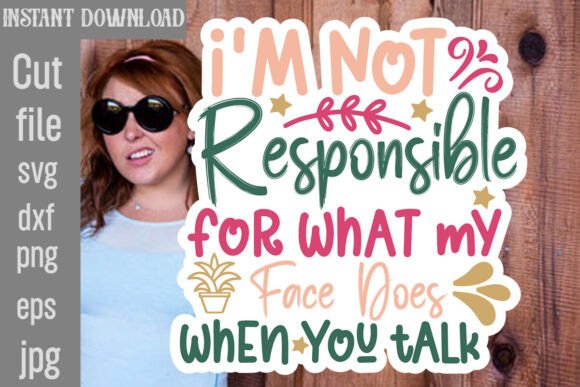
I'm Not Responsible for What My Face Does
As an embroidery designer and product reviewer, I’ve evaluated countless machine embroidery designs. One that stands out is I'm Not Responsible for What My Face Does. It’s a bold, expressive piece with a clear personality that fits well in several creative applications. But like any design, it has its strengths and limitations—especially when it comes to real-world use.
The First Impression: A Design That Speaks for Itself
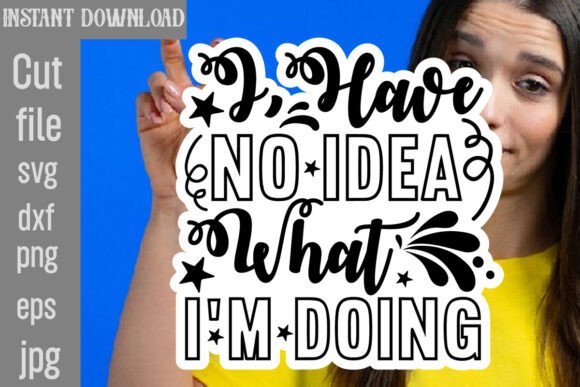
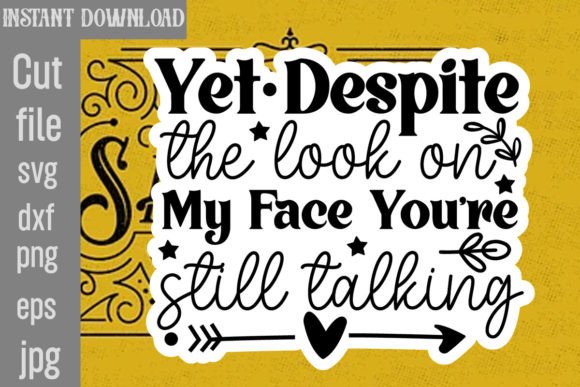
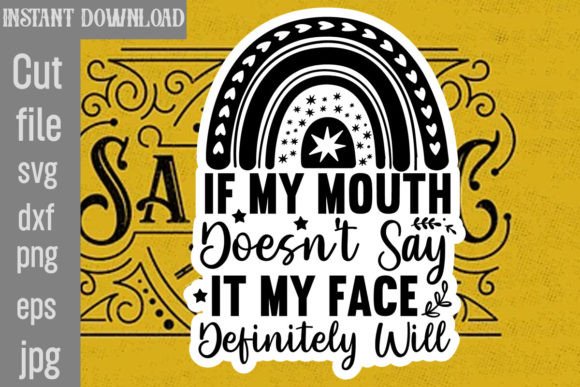
From the moment I opened the digital files, I'm Not Responsible for What My Face Does felt like a statement. The phrase itself is playful yet slightly mischievous, perfect for projects that aim to make a point or add a touch of humor. The layout is clean, with a strong visual center that makes it easy to adapt to different embroidery formats.
The design isn’t overly complex, but it carries enough detail to work well with satin stitch and fill stitch techniques. It’s ideal for medium-sized hoop sizes, making it versatile for most standard embroidery machines. The vector files included (SVG, DXF, EPS) offer flexibility for cutting and resizing, while the PNG file provides a clear reference for mockups and previews.
Real-World Embroidery Use Cases
When I think about where I'm Not Responsible for What My Face Does would shine, custom apparel immediately comes to mind. A tote bag design, sweatshirt embroidery, or even a baby onesie could benefit from this piece. Its size and structure make it suitable for patches, aprons, and pillow covers as well.
This design also works well for holiday gifts, wedding favors, or personalized products. It’s the kind of piece that adds character without being too busy. For small business owners or Etsy sellers, it could be a great addition to a line of handmade items or printable mockups.
However, I wouldn’t recommend using it on very small hoop sizes. The details might get lost, and the overall impact could be diminished. Similarly, if you’re working with textured fabrics or thin materials, you’ll need to adjust your stabilizer and thread choices accordingly.
Where to Be Careful: Design Limitations
While I'm Not Responsible for What My Face Does is visually appealing, there are some areas where caution is needed. If you're planning to use it on dark fabric, you’ll want to ensure the thread color contrasts well. On light backgrounds, the design may appear too faint unless you increase the stitch density.
For stretchy or delicate fabrics, the design might not hold up as well. You’ll need to test it on scrap material first. Also, if you're working with curved surfaces like caps or hats, the design’s shape could cause distortion if not properly adjusted.
Small lettering or intricate corners may require extra attention during the stitching process. If you’re using this as an applique design, make sure the edges are clean and the stitches don’t fray. And for commercial embroidery projects, always check the licensing terms before selling finished products.
Impact on Visual Appeal and Customer Perception
One of the key factors in any embroidery project is how it looks after stitching. I'm Not Responsible for What My Face Does delivers a strong visual presence, especially when used on larger surfaces. It’s eye-catching and memorable, which can help boost buyer engagement and brand recognition.
But the success of the design depends on execution. If the stitching is too dense or the colors don’t match, it could detract from the overall appeal. As a designer, I’d recommend testing it on different fabric types and adjusting the settings as needed.
For handmade products or personalized gifts, this design can add a unique touch that customers will appreciate. It’s also a good fit for boutique branding or small shop merchandise, where individuality and creativity are valued.
Practical Designer Notes: Things to Keep in Mind
Before jumping into a full project, here are a few practical tips for working with I'm Not Responsible for What My Face Does:
- Test on scrap fabric: Always try the design on a similar material before committing to a final product.
- Check thread color contrast: Ensure the thread matches the fabric and enhances the design’s visibility.
- Review stitch density: Adjust the density based on the fabric type and project needs.
- Confirm hoop size: Make sure the design fits comfortably within your machine’s hoop dimensions.
- Inspect small details: Pay attention to corners and edges for sharpness and clarity.
- Test in black and white: This helps identify any issues with contrast or visibility.
- Compare light and dark backgrounds: See how the design looks on different fabric colors.
- Use proper stabilizer: Especially important for stretchy or delicate materials.
- Check licensing: Confirm whether the design is suitable for both personal and commercial use.
These steps will help ensure that I'm Not Responsible for What My Face Does turns out exactly as intended, whether you're creating a custom apparel piece or preparing a digital product for sale.
Final Thoughts: A Design with Personality and Purpose
I'm Not Responsible for What My Face Does is more than just a catchy phrase—it’s a design with a clear identity and purpose. It’s well-suited for a variety of embroidery projects, from everyday wear to special occasion gifts. However, like any machine embroidery design, it requires careful consideration of fabric, hoop size, and stitch settings.
For designers, crafters, and small business owners, this piece offers a fun and flexible option for adding character to their work. Just remember to test it thoroughly and tailor the execution to your specific needs. With the right approach, I'm Not Responsible for What My Face Does can become a standout element in your next embroidery project.